Here’s the hard truth most Christian blogs skip.
Trusting God when life hurts doesn’t feel holy. It feels confusing.
It feels unfair. Sometimes it feels fake.
If you’re here because you’re exhausted, angry, grieving, or quietly falling apart—good. You’re not broken. You’re human.
I’m not going to give you shiny verses and pretend they magically fix pain. That’s not how Scripture works. The Bible doesn’t erase suffering. It meets us inside it.
Let’s talk about verses that actually hold weight when life hurts. Verses that don’t rush you. Verses that understand pain—and still point to trust.
When Trust Feels Impossible
Pain does something sneaky.
It shrinks your world.
It shortens your patience.
It makes God feel far away, even if you’ve followed Him for years.
Ever notice how easy trust sounds before something falls apart?
Then real loss hits. A diagnosis. A betrayal. A prayer that goes unanswered. And suddenly, “Just trust God” feels like salt in a wound.
Here’s the thing we don’t say enough:
Biblical trust is not calm confidence. It’s stubborn faith in the middle of doubt.
The Bible is full of people who trusted God while hurting—not after it was over.
Let’s open those pages.
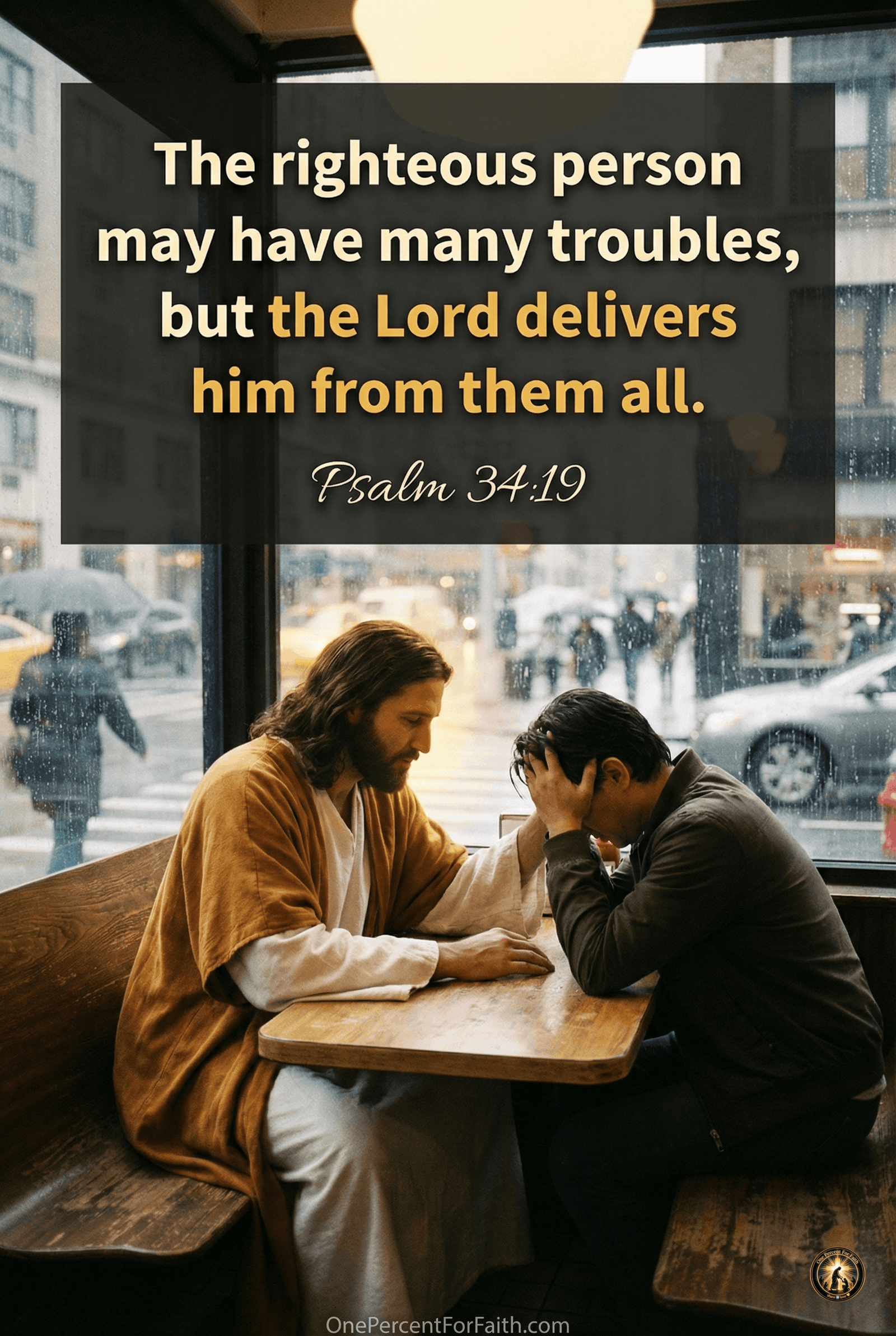
1. Psalm 34:19
“The righteous person may have many troubles, but the Lord delivers him from them all.”
This verse doesn’t deny pain. It expects it.
“Many troubles.” Not one. Not a season. Many.
What gets me every time is this: righteousness doesn’t protect you from suffering. It doesn’t buy you a smoother road.
But God doesn’t abandon you to it either.
Deliverance doesn’t always mean instant relief. Sometimes it means endurance. Sometimes it means survival. Sometimes it means God holding you together when everything else falls apart.
If you’re thinking, I’m still hurting—where’s the deliverance?
You’re asking a biblical question. David asked it too.
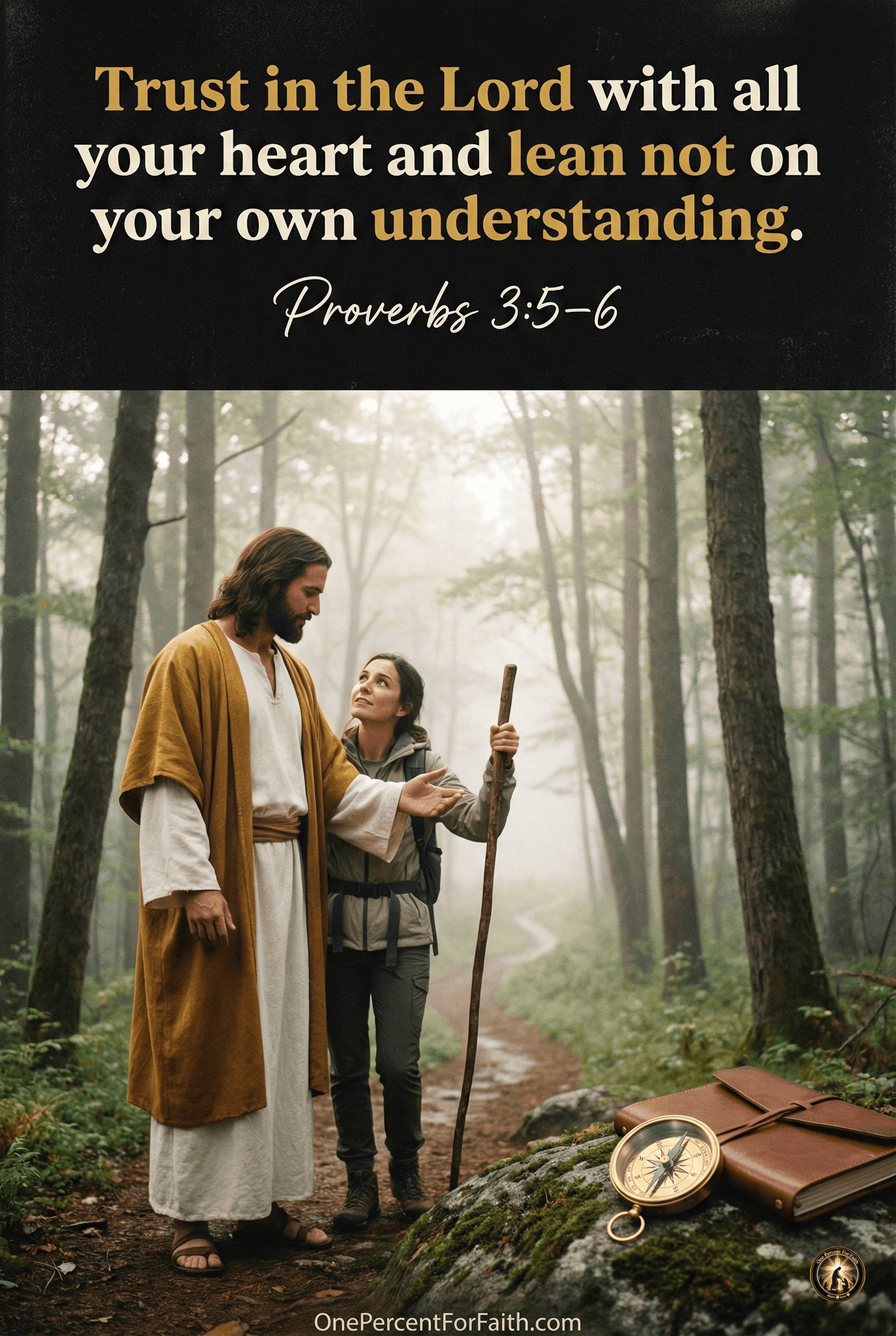
2. Proverbs 3:5–6
“Trust in the Lord with all your heart and lean not on your own understanding.”
This verse gets quoted a lot. Usually without context.
Because leaning on your own understanding is easy when life makes sense.
But when life hurts?
Your understanding starts screaming.
This isn’t fair.
This shouldn’t be happening.
God wouldn’t do this.
Trust here doesn’t mean pretending you understand God. It means admitting you don’t—and choosing Him anyway.
That’s not weak faith.
That’s mature faith.
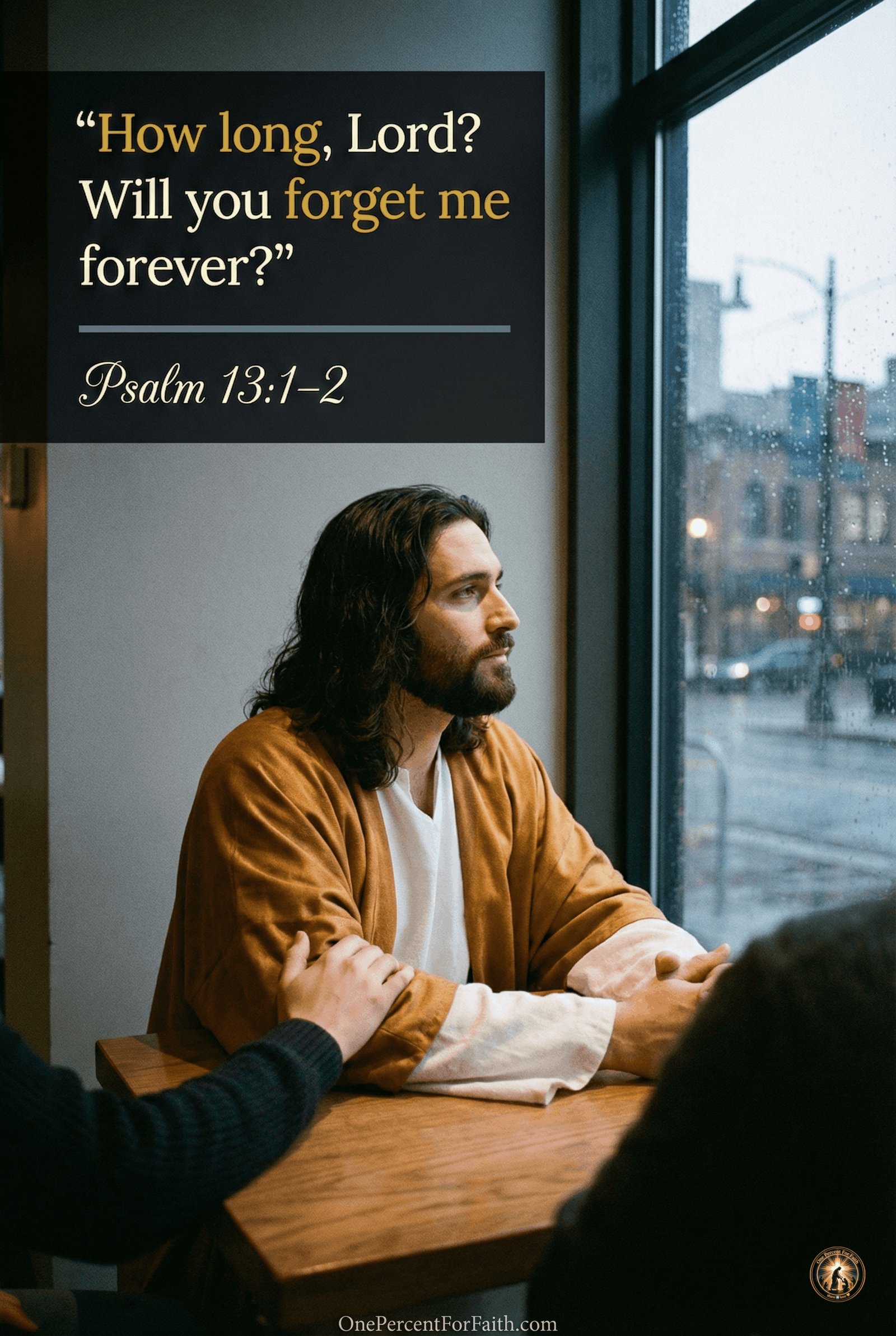
3. Psalm 13:1–2
“How long, Lord? Will you forget me forever?”
This is Scripture. Not a diary entry. Scripture.
David doesn’t whisper polite prayers. He accuses. He questions. He waits.
And God didn’t strike him down for it.
If you’re afraid to be honest with God, remember this: He already knows what you’re thinking.
Trust isn’t silence.
Trust is staying in the conversation—even when it hurts.
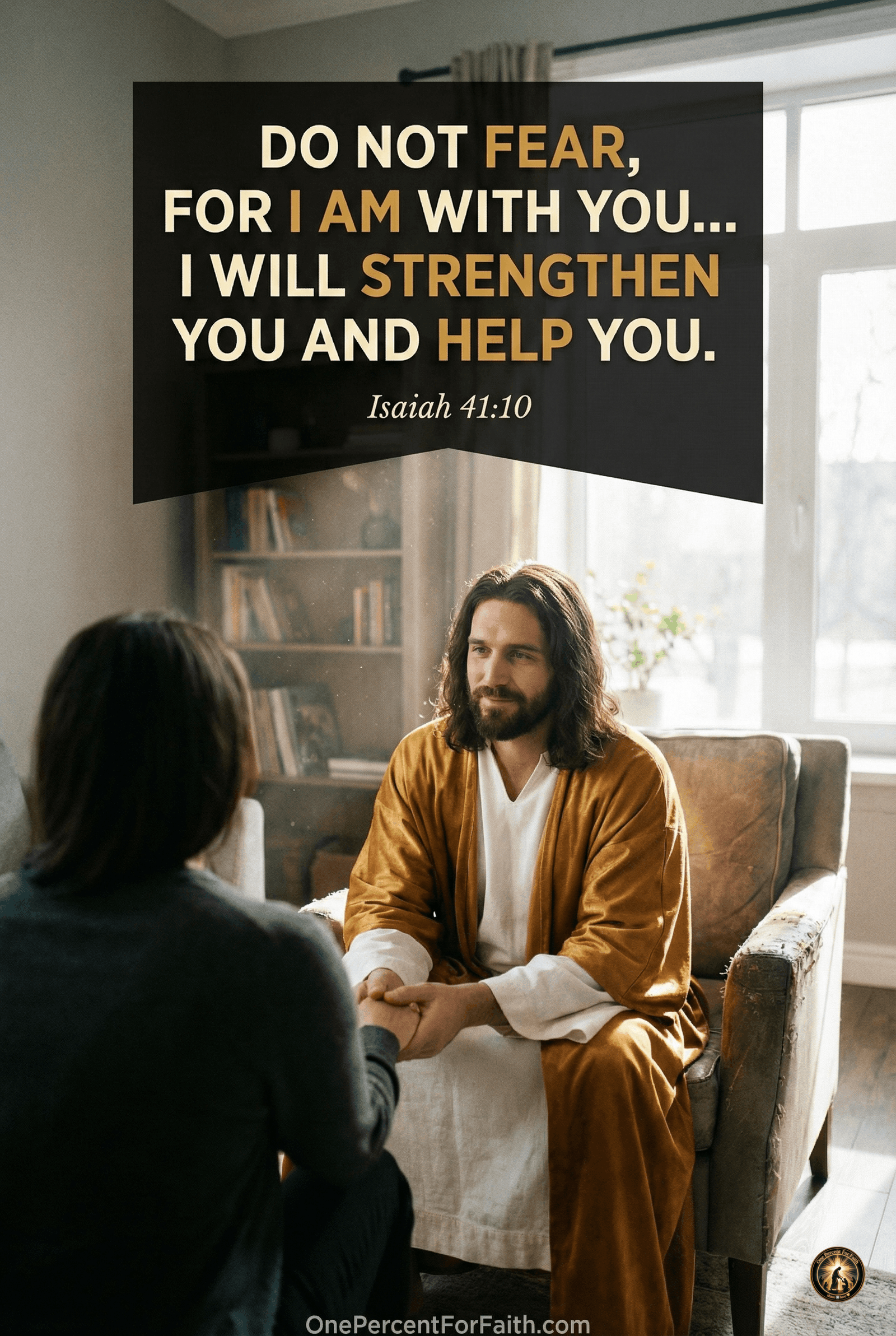
4. Isaiah 41:10
“Do not fear, for I am with you… I will strengthen you and help you.”
Notice what God doesn’t say.
He doesn’t say, “You won’t be afraid.”
He says, “Don’t fear—because I’m with you.”
God’s presence is the promise. Not the absence of pain.
There are moments when strength doesn’t feel like power. It feels like getting out of bed. Answering one text. Breathing through another wave of grief.
And God calls that strength.
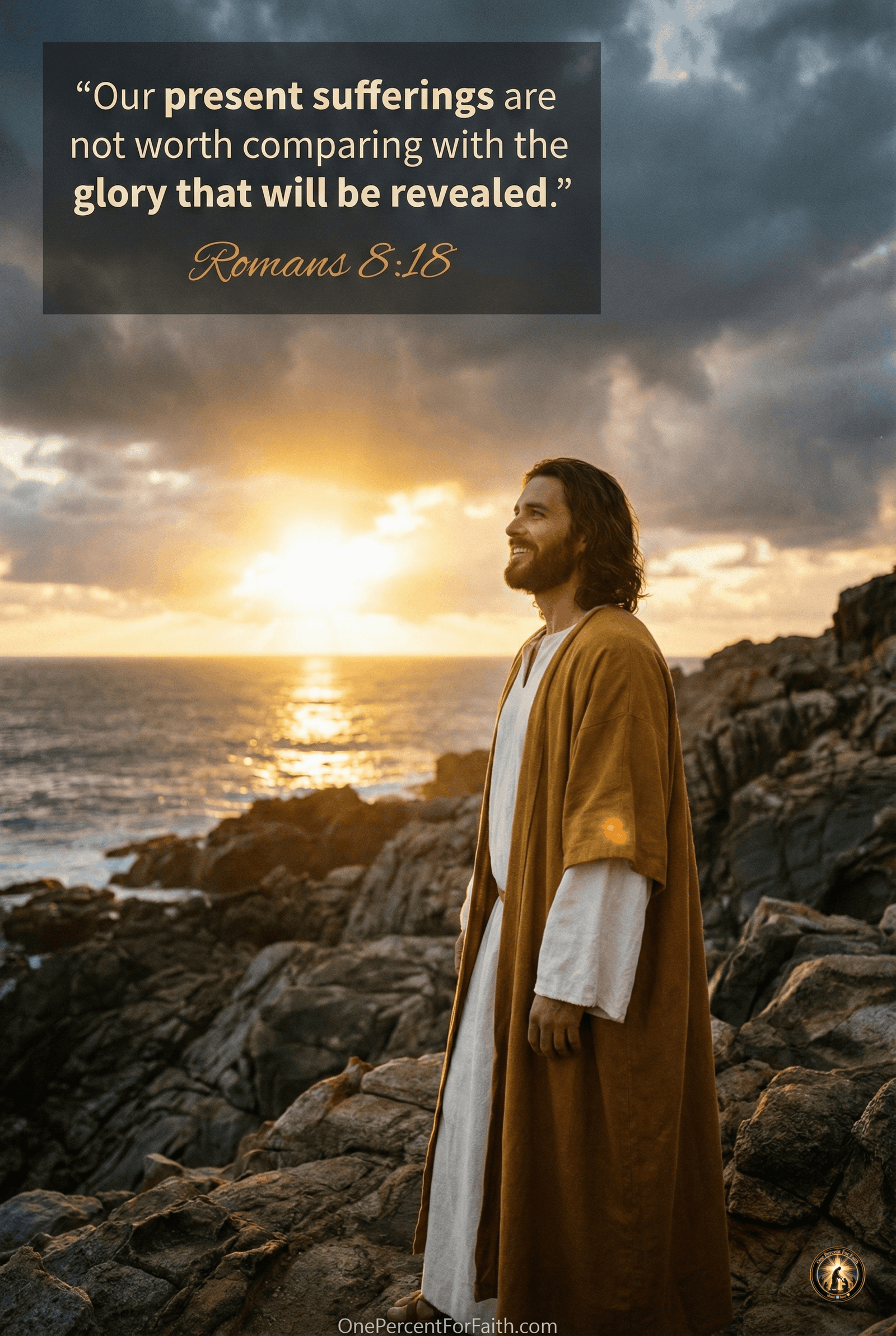
5. Romans 8:18
“Our present sufferings are not worth comparing with the glory that will be revealed.”
This verse can feel dismissive if read too fast.
Paul isn’t minimizing pain. He was beaten, imprisoned, shipwrecked. He knew suffering up close.
He’s saying pain is real—but it’s not final.
Trust sometimes looks like holding onto a future you can’t see yet. Not because today is small—but because what’s coming is bigger.
That doesn’t cancel grief.
It gives it an expiration date.
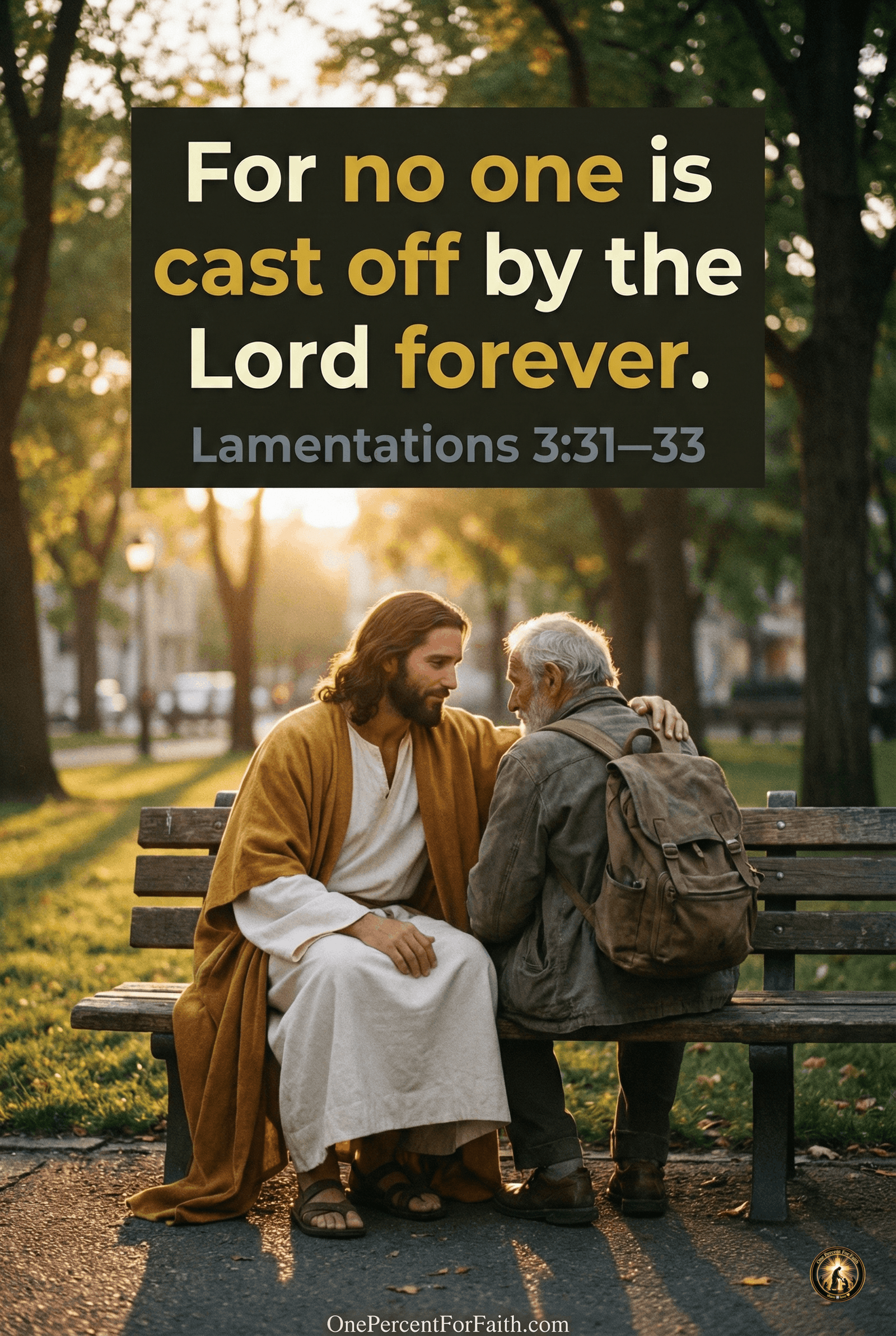
6. Lamentations 3:31–33
“For no one is cast off by the Lord forever.”
This book was written in devastation. Jerusalem destroyed. Hope buried.
And still—this line.
Forever matters here.
Pain can last a long time.
But not forever.
If you’re stuck in the middle and wondering if God has quietly walked away, this verse says no. Even when discipline, loss, or silence stretch on—God does not abandon permanently.
That’s trust on a long timeline.
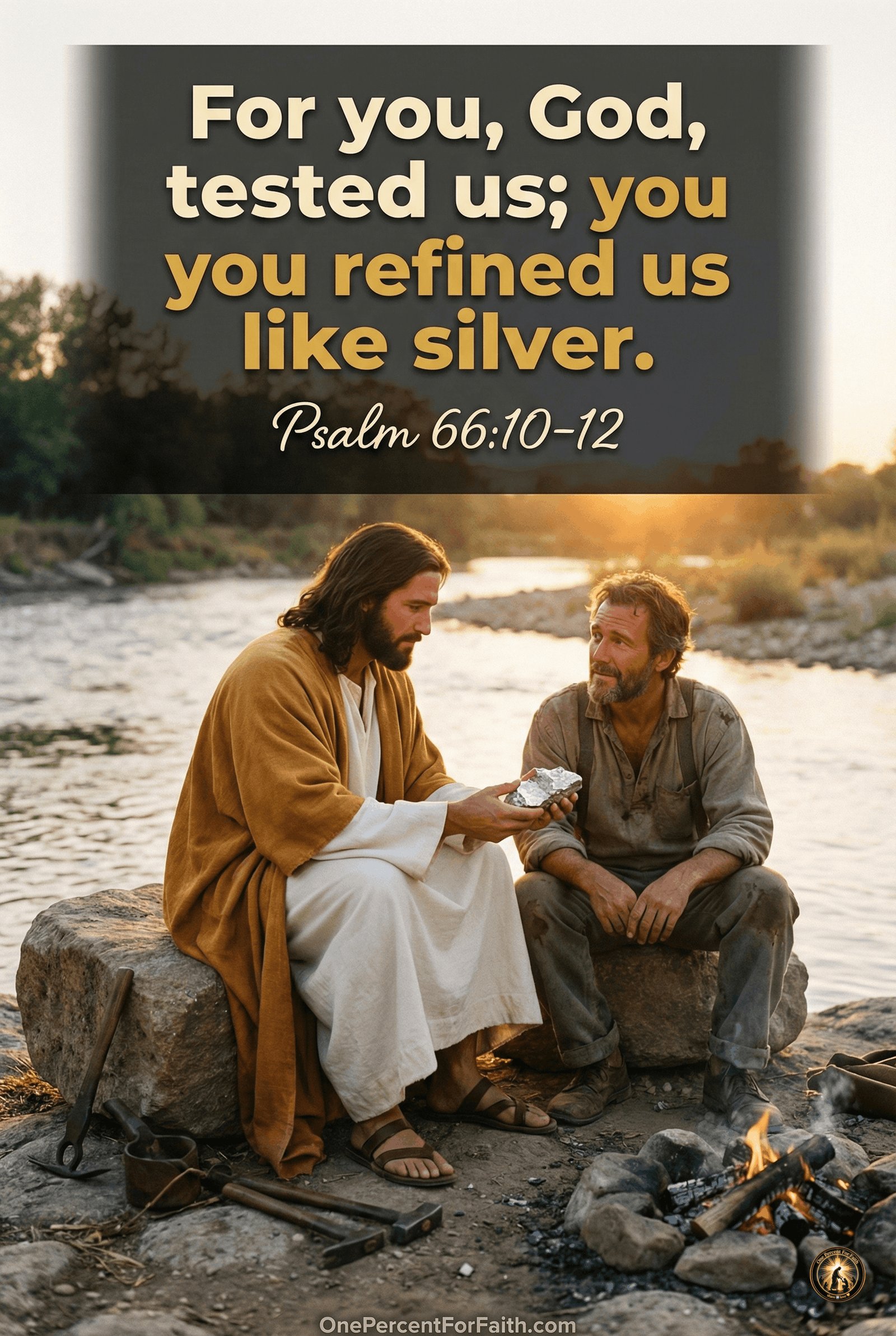
7. Psalm 66:10–12
“For you, God, tested us; you refined us like silver.”
Refining is violent.
Fire. Heat. Pressure.
Silver doesn’t choose the fire. But the fire reveals what’s real.
This verse doesn’t say God enjoys our pain. It says He uses it.
And yes—that’s uncomfortable. Even frustrating.
But trust isn’t believing pain is good.
It’s believing God is still good inside the pain.
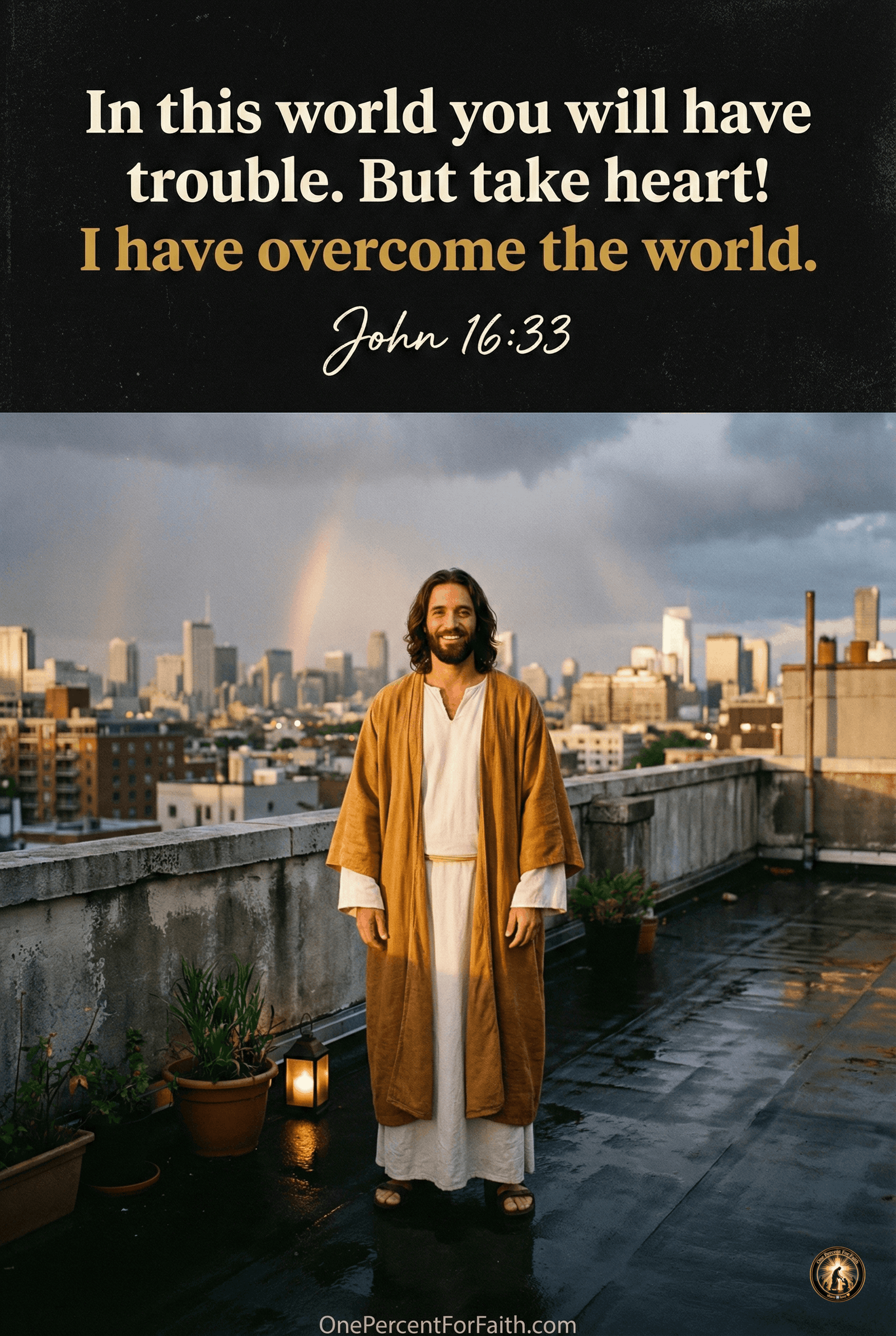
8. John 16:33
“In this world you will have trouble. But take heart! I have overcome the world.”
Jesus doesn’t bait-and-switch us.
He promises trouble. Then He promises victory.
Not escape. Victory.
That means hurt will touch your life—but it won’t own it.
Trust here isn’t optimism. It’s allegiance. You’re choosing to believe Jesus is bigger than what hurts right now.
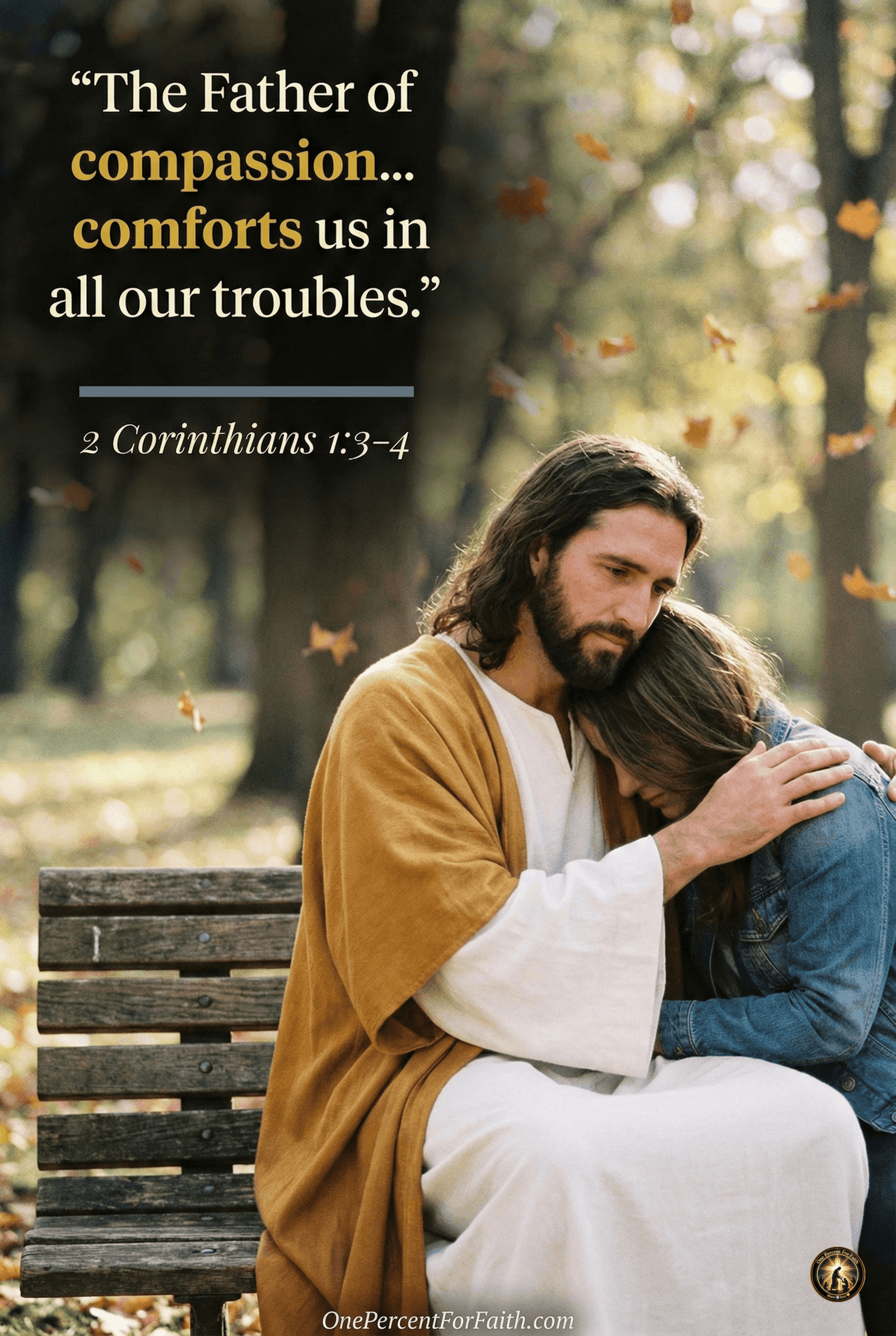
9. 2 Corinthians 1:3–4
“The Father of compassion… comforts us in all our troubles.”
God’s comfort isn’t abstract.
It’s relational.
He comforts us—not just “people,” not “believers,” but individuals.
And then something surprising happens. Our pain becomes a bridge. We comfort others with the comfort we’ve received.
Trust grows backward sometimes. You don’t see its purpose until later.

10. Psalm 147:3
“He heals the brokenhearted and binds up their wounds.”
Brokenhearted doesn’t mean weak.
It means you loved. You hoped. You believed.
God doesn’t shame broken hearts. He treats them like injuries—something to tend, not judge.
Binding wounds takes time. Healing isn’t instant.
Trust allows God to work slowly.
What Trust Looks Like When Life Still Hurts
Let’s be honest.
Trust isn’t always:
- Peaceful
- Certain
- Confident
Sometimes trust looks like:
- Praying angry prayers
- Crying without words
- Holding onto one verse when everything else feels empty
And sometimes trust is simply not walking away.
That counts.
A Quiet Reminder (You Might Need This)
God is not disappointed by your pain.
He’s not surprised by your questions.
He’s not offended by your grief.
Jesus trusted the Father—and still cried out on the cross.
If He was allowed to hurt, so are you.
FAQ: Trusting God When Life Hurts
What if I want to trust God but don’t feel strong enough?
That’s normal. Trust doesn’t require strength—just willingness. Even asking God for help trusting Him is a form of trust.
Is it okay to question God during painful seasons?
Yes. The Bible is full of questions. Honest questions don’t weaken faith. Silence does.
How do I trust God when prayers go unanswered?
Unanswered doesn’t mean unheard. Sometimes trust means believing God is working in ways you can’t see yet—even when it hurts.
Does trusting God mean I shouldn’t feel sad or angry?
No. Emotions are part of being human. Trusting God means bringing those emotions to Him, not pretending they don’t exist.
How long does it take to trust God again after pain?
There’s no timeline. Trust rebuilds slowly. God is patient. You can be too.
If you’re still hurting, you’re not behind.
If trust feels shaky, you’re not failing.
You’re walking a road Scripture knows well.
And God is already on it with you.