The Illusion of Skill and Control
One of the most pervasive myths surrounding casino gambling is the belief that skill can significantly influence the outcome of games designed to be random. Many players convince themselves that their strategies and knowledge give them an edge in games like slots or roulette, especially when exploring options at a new uk casino fast withdrawal venue. However, the truth is that these games are fundamentally based on chance. Whether it’s the spin of a wheel or the shuffle of cards, randomness dominates, and no method or approach can consistently alter the outcome in the player’s favor.
For instance, consider slot machines, which are governed by random number generators (RNG). These RNGs ensure that each spin results in an outcome that is independent of the previous one. Players may perceive patterns or trends in their gameplay, but these are psychological illusions. A better understanding of this randomness can help players manage their expectations and reduce frustration stemming from perceived control. Recognizing that every spin is an isolated event can lead to a more enjoyable experience.
This myth can lead to reckless gambling behaviors, where players believe they are on the verge of a big win, causing them to place larger bets. Acknowledging that casino games are built on chance rather than skill can help players approach their gaming experience with a more informed and strategic mindset, focusing on entertainment rather than financial gain. By fostering realistic expectations, individuals can enjoy the thrill of the game without the unnecessary stress of trying to control the outcome.
The House Always Wins
Another commonly held belief is that the house always wins, perpetuating a sense of inevitability about losing when gambling. While it is true that casinos are businesses designed to profit, this phrase can oversimplify the dynamics of gambling. In reality, some players do win – and win significantly – but these occurrences are often not highlighted by the establishment. Casinos utilize these success stories to create an appealing atmosphere, but they don’t negate the fact that players can and do experience positive outcomes.
Casinos incorporate various house edges into their games, meaning that over time, the odds are in the house’s favor. However, short-term wins can occur due to variance and luck. For example, a player hitting a jackpot on a slot machine can dramatically alter their perception of the gambling experience, even if statistically, they may fall behind over an extended period. Understanding the concept of variance and paying attention to probability can enhance players’ experiences by providing a more balanced viewpoint on the reality of winning and losing.
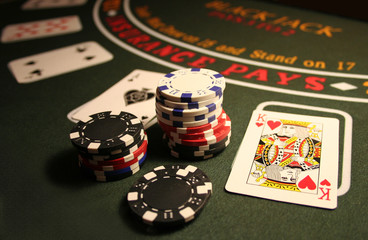
Additionally, the house’s ability to win doesn’t necessarily imply that players are destined to lose. By adopting sound betting strategies and playing games with better odds, such as blackjack or poker, players can increase their chances of walking away with a profit. It’s essential to approach gambling with a balanced view of risk and reward rather than resigning oneself to the notion that the outcome is predetermined. This perspective can lead to a more enjoyable and potentially profitable gambling experience.
Gambling Equals Compulsive Behavior
The stereotype that all gamblers are compulsive or addicted can deter many individuals from engaging in casino gambling. While it is true that gambling addiction is a real issue that affects a significant number of players, this does not represent the entire gambling population. Many individuals enjoy gambling as a recreational activity, much like attending a sports event or a concert. They appreciate the excitement and social aspects without developing harmful patterns.
It’s essential to differentiate between casual gambling and problematic gambling. Casual players typically set limits for themselves and enjoy the thrill without letting it interfere with their daily lives. On the other hand, individuals who struggle with compulsive gambling may find it difficult to control their impulses and may require support and resources to address their behavior. Recognizing this distinction is crucial for reducing stigma and fostering a healthier perspective on gambling, allowing casual players to enjoy the experience without fear of judgment.
Furthermore, education and awareness programs are in place to help individuals understand responsible gambling practices. These initiatives encourage players to recognize their limits and seek help if needed. Promoting responsible gaming can create a more enjoyable environment for all, where the focus is on fun and entertainment rather than compulsion. Understanding that gambling can be a safe, enjoyable pursuit when approached responsibly starts to debunk the myth associated with compulsive behavior.
Casinos Are Only for High Rollers
Many people believe that casinos cater solely to high rollers and that anyone with a smaller budget will not fit in. This myth can deter potential players who might otherwise enjoy the gaming experience. In reality, casinos strive to accommodate a wide audience, offering games at various price points to attract people from different backgrounds and financial situations. From penny slots to high-stakes poker tables, there’s something for everyone, making the gaming experience accessible to all.

Moreover, many casinos provide promotional offers, bonuses, and loyalty programs designed to appeal to casual players. These initiatives include discounts, free play credits, and even complimentary meals and accommodations. By marketing to a broad customer base, casinos create opportunities for all types of players to engage in gaming, socialize, and enjoy the atmosphere, regardless of their betting style. These promotions contribute to a more inclusive environment, welcoming players of all financial capabilities.
Encouraging a diverse audience enhances the social aspect of casinos, allowing them to thrive in a competitive market. Whether a person is betting small amounts or taking larger risks, the overall experience can be enjoyable, accommodating different preferences and budgets. Understanding that casinos welcome all participants can help debunk this myth and promote greater inclusion, fostering a vibrant and varied community of players.
Discovering Responsible Gambling Resources
For those who are curious about diving into the world of casino gambling, it is essential to access reliable information and resources that promote responsible gambling. Many reputable casinos and gaming organizations invest in educational programs that equip players with the knowledge to navigate their experiences safely. These resources can help individuals recognize their limits and understand the risks associated with gambling, fostering a more responsible approach to gaming.
Websites dedicated to responsible gaming often provide tools such as budget calculators and self-assessment quizzes. These can help players evaluate their gambling habits and develop a clear picture of their relationship with gaming. Additionally, they can offer guidance on setting limits, taking breaks, and understanding when to seek help if they feel that their gambling is becoming problematic. Such resources are invaluable for promoting a balanced and enjoyable gaming experience.
Ultimately, awareness and education are critical components in fostering a safe gambling environment. By utilizing responsible gaming resources, players can enhance their experiences while maintaining a healthy balance. Knowing that help is available empowers individuals to make informed choices, ensuring that their time spent at the casino remains enjoyable and secure. A proactive approach to responsible gambling can significantly enhance the overall enjoyment of the casino experience.